
As an Amazon Associate we earn from qualifying purchases. Learn more about our affiliate disclaimer.
DMT vs Atoma is the classic diamond plate match-up. DMT makes monocrystalline diamond plates in the USA, sold as solid Dia-Sharp bench stones and DuoSharp plates. Atoma, from Japan, uses an electroplated diamond sheet on an aluminum base, and the worn sheet can be replaced. Both are popular for sharpening and for flattening water stones.
Here is how they differ.
Quick Answer: The DMT vs Atoma
- Best DMT OverallDMT D8C Dia-Sharp 8-Inch Coarse Bench Stone
- Best Atoma OverallAtoma #400 Medium Diamond Sharpener
- Best DMT for EdgesDMT D8F Dia-Sharp 8-Inch Fine Bench Stone
- Best Atoma for LappingAtoma #140 Coarse Diamond Sharpener
- Best Dedicated Lapping PlateDMT Dia-Flat 10 x 4 in. Diamond Lapping Plate
- Best Value AlternativeSHARPAL 162N Double-Sided Diamond Stone, 8 x 3 in.
Choose a DMT Dia-Sharp like the D8C or D8F if you want a solid one-piece plate for knife sharpening with a wide grit range. Choose an Atoma #140 or #400 if your main job is flattening water stones; its sheet surface is popular for lapping and can be replaced when it wears.
DMT vs Atoma Comparison Table
| Product | Best For | Type | Key Feature | Buy |
|---|---|---|---|---|
| DMT D8C (Coarse) | Best DMT Overall | Diamond bench stone | Continuous coarse diamond, made in USA | Check Price |
| Atoma #400 | Best Atoma Overall | Diamond plate | #400 medium-rough diamond, 8 x 2.77 in. | Check Price |
| DMT D8F (Fine) | Best DMT for Edges | Diamond bench stone | Continuous fine diamond for regular sharpening | Check Price |
| Atoma #140 | Best Atoma for Lapping | Diamond plate | #140 coarse diamond for reshaping and lapping | Check Price |
| DMT Dia-Flat | Best Dedicated Lapping Plate | Diamond lapping plate | 95 micron / 160 mesh, 40 sq. in. surface | Check Price |
| SHARPAL 162N | Best Value Alternative | Two-sided diamond plate | 325 / 1200 grit with angle guide | Check Price |
6 Picks: DMT and Atoma Plates
Three DMT and two Atoma plates, plus one value alternative.

1. DMT D8C Dia-Sharp 8-Inch Coarse Bench Stone
1. D8C.
👍 Pros & Cons
Pros
- Continuous surface works for pointed tips and small tools
- Sharpen dry or with water, no messy oil
- Designed not to hollow or groove
Cons
- Coarse grit needs a finer stone afterwards
- Diamond surfaces feel aggressive for the first few uses
📄 Detailed Review
- Surface: Continuous coarse monocrystalline diamond
- Length: 8 in.
- Base: 4 non-skid rubber feet
- Use: Dry or with water, no oil
- Origin: Made in USA
The D8C is DMT’s 8-inch coarse Dia-Sharp: a continuous (no polka-dot) diamond surface on a plate with rubber feet. It is built to repair dull and damaged edges quickly and to work dry or with water.
In a kitchen it is the “reset” stone: use it when an edge is badly rolled or chipped, then move to a fine stone. Because it stays flat, it can also level waterstones.
2. Atoma #400 Medium Diamond Sharpener
2. Atoma #400.
👍 Pros & Cons
Pros
- The most versatile Atoma grit for flattening whetstones
- Thin, light plate that is easy to store next to your stones
- Also sharpens hard steels that glaze conventional stones
Cons
- No base included at this size; use a damp towel or holder
- Too coarse to be your only knife-sharpening surface
📄 Detailed Review
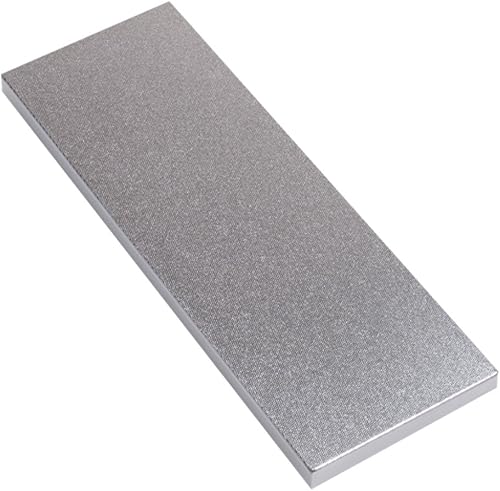
- Grit: #400 medium rough
- Type: Diamond
- Size: 8 x 2.77 x 0.32 in.
- Brand: Atoma (Japan)
Among sharpening enthusiasts the Atoma #400 is the default answer to “what should I flatten my waterstones with?” The grit is coarse enough to level a #1000 or #3000 stone in a few passes but not so rough that it gouges fine stones.
At 8 by 2.77 inches it matches the length of most Japanese whetstones. It can also set a bevel on hard knife steels, then hand off to a medium waterstone for refinement.

3. DMT D8F Dia-Sharp 8-Inch Fine Bench Stone
3. D8F.
👍 Pros & Cons
Pros
- Fine grit is right for routine kitchen-knife sharpening
- Flat surface that will not dish over time
- Works on large blades and fine-pointed tools
Cons
- Single grit; you still want a finishing stone
- Not a fast reprofiling surface
📄 Detailed Review
- Surface: Continuous fine monocrystalline diamond
- Length: 8 in.
- Base: 4 non-skid rubber feet
- Use: Dry or with water
- Origin: Made in USA
The fine D8F is the DMT bench stone most cooks actually use week to week. It repairs mild dullness, sets a clean burr and works with just a splash of water.
It is a good partner for a coarse DMT or a #3000–#6000 waterstone, giving a durable middle step that never needs flattening.
4. Atoma #140 Coarse Diamond Sharpener
4. Atoma #140.
👍 Pros & Cons
Pros
- Very fast metal removal for chipped or neglected edges
- Coarse enough to flatten dished coarse and medium whetstones quickly
- Diamond surface does not wear hollow like a soft stone
Cons
- Far too aggressive for routine kitchen-knife touch-ups
- Leaves a deep scratch pattern that needs a medium stone to refine
📄 Detailed Review
- Brand: Atoma (Tsuboman, Japan)
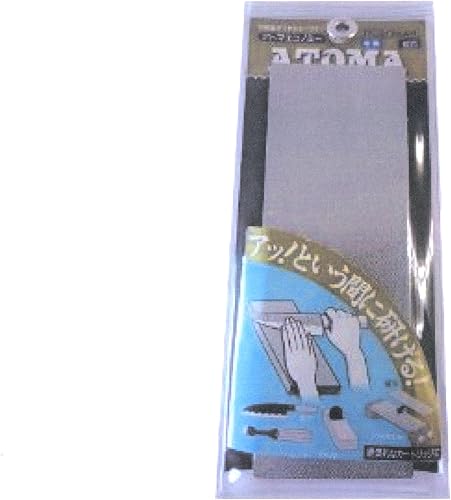
- Grit: #140 coarse
- Abrasive: Diamond
- Use: Edge repair, flattening coarse stones
The #140 is the roughest grade in the Atoma line, and it is the plate people reach for when an edge needs real repair: a chipped heel, a broken tip or a bevel that has been ground at the wrong angle for years. It also works as a heavy lapping plate for coarse waterstones that have dished badly.
For a kitchen setup, think of it as a specialist. Most cooks will only need it a few times a year, and they should always follow it with a #400–#1000 surface before the finishing stone.
5. DMT Dia-Flat 10 x 4 in. Diamond Lapping Plate
5. Dia-Flat.
👍 Pros & Cons
Pros
- Purpose-built for flattening whetstones
- Large surface flattens long stones in fewer strokes
- Hardcoat designed for long life
Cons
- Too coarse for sharpening knives
- Premium price compared with single-grit plates
📄 Detailed Review
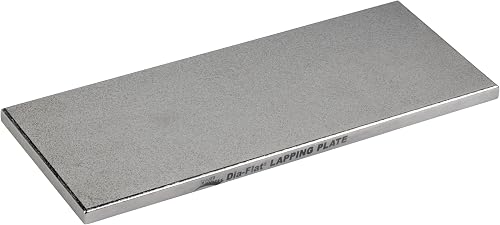
- Size: 10 x 4 in. (40 sq. in. surface)
- Grit: 95 micron / 160 mesh
- Coating: Diamond Hardcoat
- Flattens: Waterstones, oilstones, Arkansas stones
The Dia-Flat is DMT’s dedicated lapping plate. Its 10 by 4 inch, 40-square-inch surface uses an aggressive 95 micron (160 mesh) diamond that flattens waterstones, oilstones and Arkansas stones.
If your sharpening routine revolves around waterstones, this is a tool you buy once. The wide surface covers a full-size stone so you can flatten in long, even strokes.

6. SHARPAL 162N Double-Sided Diamond Stone, 8 x 3 in.
6. SHARPAL.
👍 Pros & Cons
Pros
- Two useful grits on a full-size 8 x 3 in. plate
- Box doubles as a non-slip base
- Angle guide helps beginners
Cons
- 1200 is the finest grit; no polishing side
- Electroplated diamond feels aggressive when new
📄 Detailed Review
- Grits: Coarse 325 (45 µm) / Extra fine 1200 (12 µm)
- Size: 8 x 3 in.
- Base: 0.35 in. stainless steel, electroplated diamond
- Extras: Storage box, non-slip pad, 4-angle guide (14°–25°)
The SHARPAL 162N puts coarse 325 grit (45 micron) and extra fine 1200 grit (12 micron) on a stainless steel base 0.35 inch thick. SHARPAL says its MirrorFlat process keeps the surface flat for even contact.
The kit includes a storage box with a rubber pad that works as a base, plus an angle guide with 14, 17, 20 and 25 degree settings, which makes it an easy first diamond plate.
How We Chose the DMT vs Atoma
For this dmt vs atoma guide, we compared whetstones, diamond plates, oil stones and knife sharpeners listed on Amazon US by abrasive type, grit, size, hardness, angle control, speed and price, using product details from the listings and makers rather than a hands-on lab test. We then looked at common praise and complaints in buyer feedback for edge quality, wear, dishing, mess and learning curve. Prices and listings change often, so check the current listing before you buy.
Keep fingers behind the edge, sharpen on a stable non-slip base, keep metal swarf away from food, and wash knives before they touch food again, and follow USDA Food Safety and Inspection Service cleanliness guidance for kitchen hygiene. Our method is explained on the How We Test page.
DMT vs Atoma: Key Differences
Surface
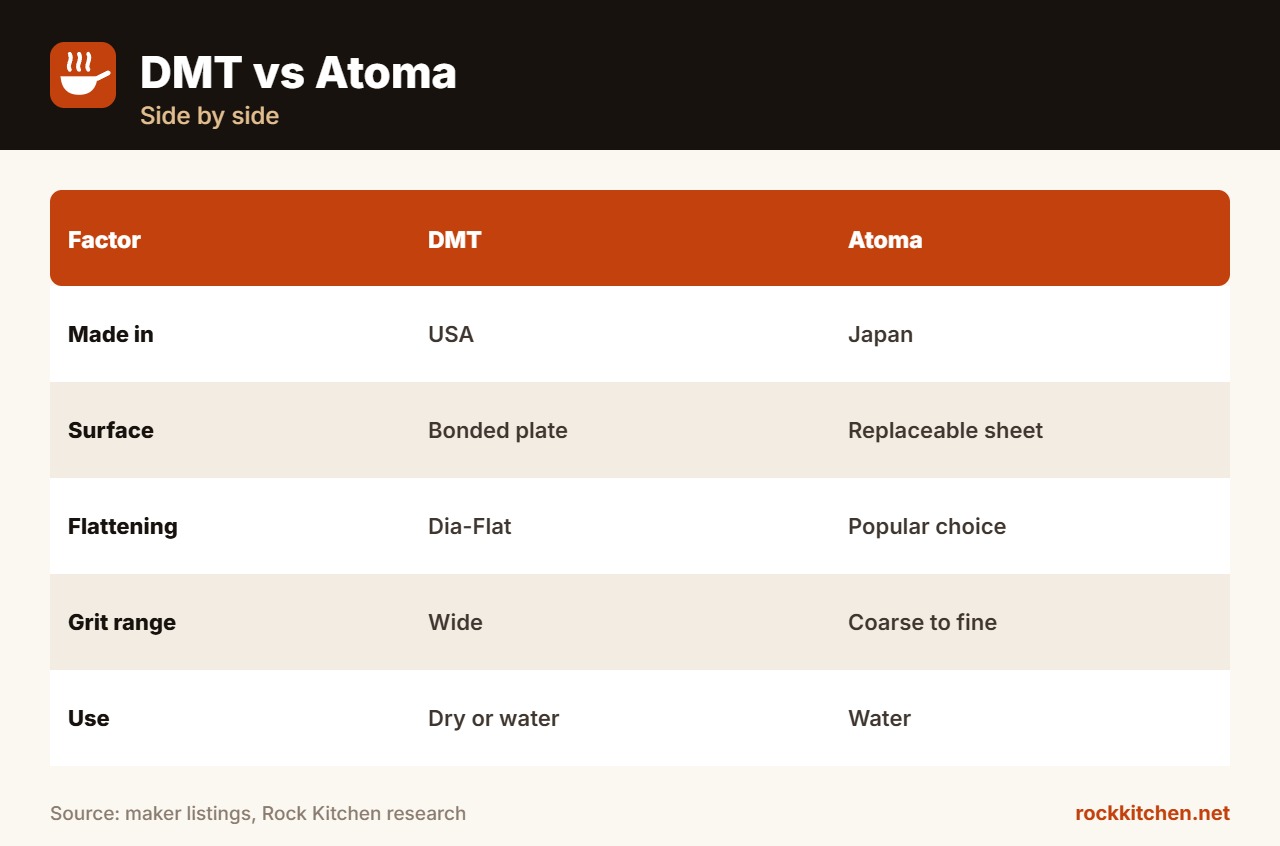
DMT bonds diamond to a steel plate; Atoma uses a replaceable electroplated diamond sheet.
Break-in
Both feel aggressive at first and smooth out after a few sessions.
Flattening
Atoma is a favorite for lapping water stones; DMT’s Dia-Flat is its dedicated flattening plate.
Grit range
DMT offers more grits in its Dia-Sharp line; Atoma covers coarse to fine.
Ownership
Atoma sheets can be replaced; DMT plates are replaced whole.
Tips for Safer, Sharper Edges
- Hold a steady angle; consistency matters more than the exact number.
- Raise a small burr along the full edge before moving to a finer grit.
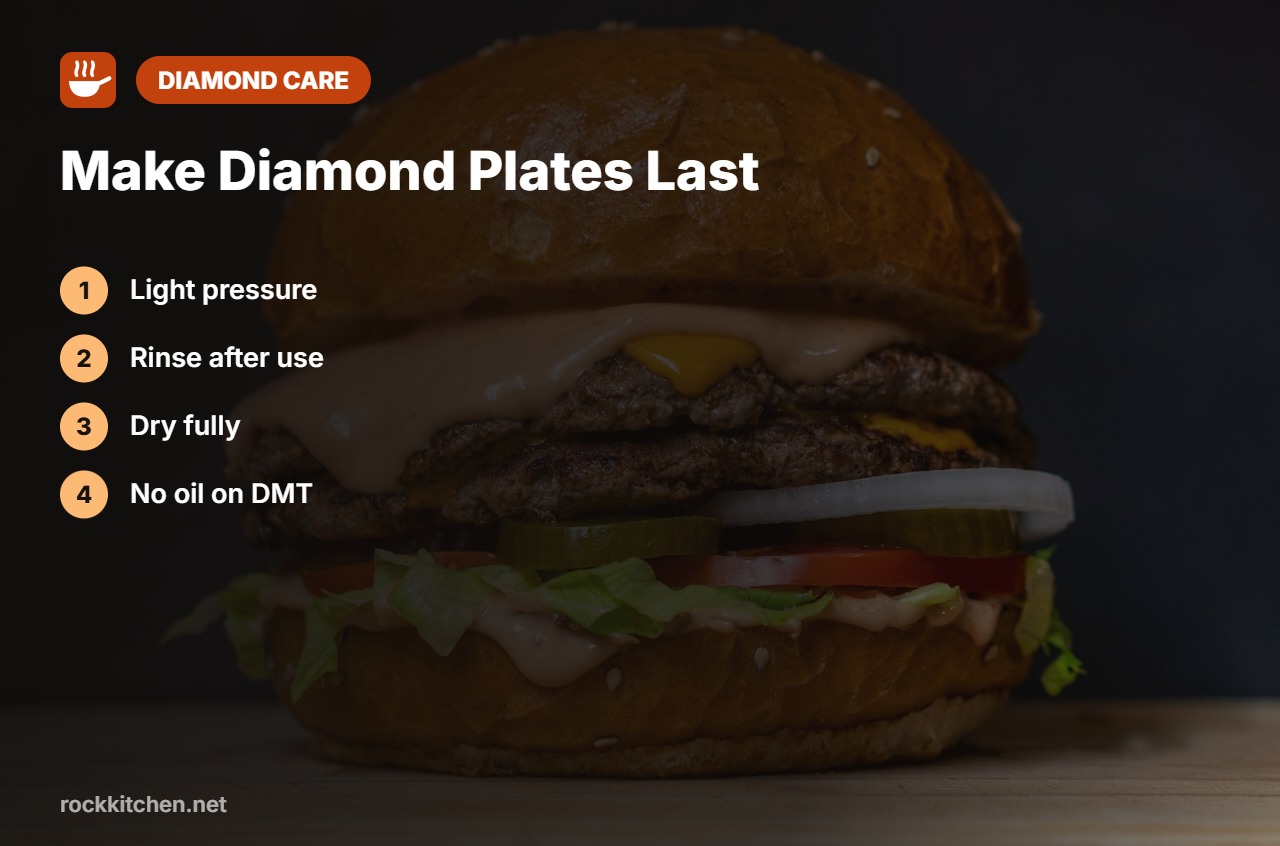
- Use light pressure on finishing grits.
- Flatten water stones often so they do not dish.
- Rinse and dry knives, then wipe stones clean after use.
Quick answers to common questions about dmt vs atoma.
Frequently Asked Questions
Is Atoma better than DMT?
Atoma is often preferred for flattening; DMT is often preferred as a sharpening plate. Both are good.
Can I replace an Atoma sheet?
Yes, replacement sheets are sold by grit.
Do DMT plates need oil?
No, DMT says to use them dry or with water.
Which grit flattens stones?
Coarse grits such as Atoma #140 or #400, or the DMT Dia-Flat.
Final Verdict
Our DMT vs Atoma verdict: the DMT D8C is the stronger all-round sharpening plate, while the Atoma #400 is the favorite for flattening stones.
Related Guides
Keep exploring knives and sharpening with these guides:
Prices and availability change often. Check the current listing on Amazon before you buy.